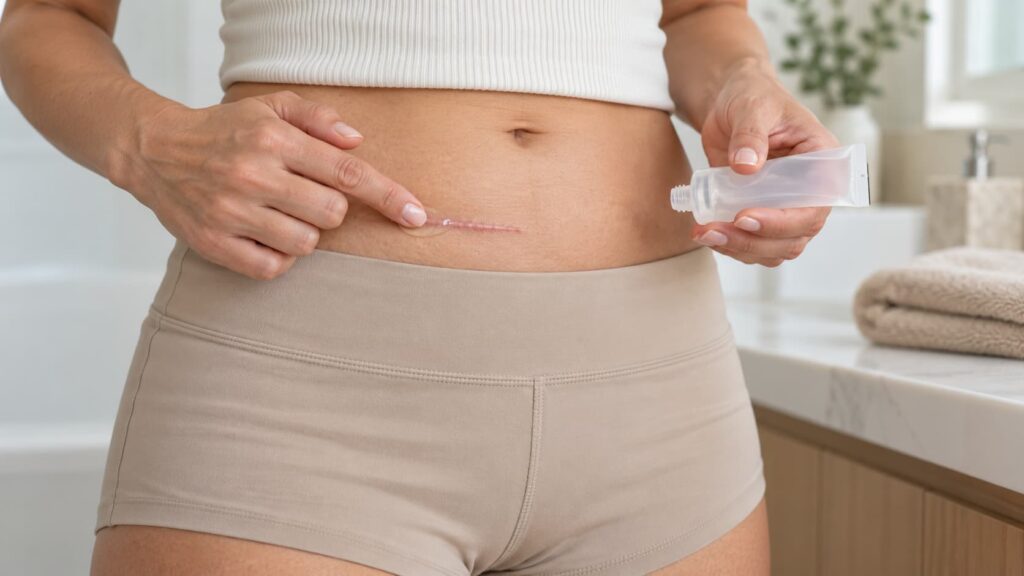
You had the surgery. You went through the preparation, entered the operating room, and began a new chapter in your life. But then a doubt arises that many people avoid saying out loud: What happens if you don't follow the diet after bariatric surgery?
At first, some slip-ups seem minor. A meal eaten outside the designated phase. A larger portion than recommended. That feeling that "everything's fine now." However, after bariatric surgery, your body is still adapting. And the diet after bariatric surgery is not just a suggestion — is part of the treatment.
Let's talk calmly about what might happen and, above all, about what you can do if you've already strayed a bit from the plan.
What really happens to your body when you don't follow the diet
Your stomach was operated on, but it's still learning its new reality. When you consume foods outside the protocol—whether in quantity, texture, or composition— The body reacts in ways that can range from uncomfortable to worrying..
The first reaction might be dumping syndrome, This is one of the most common and frightening complications of not following the bariatric diet. It occurs when Foods high in sugar or fat reach the small intestine too quickly.. Symptoms of dumping syndrome include intense nausea, cold sweats, palpitations, dizziness, and diarrhea — all within minutes of eating.
But the effects don't end there. Over time, if the pattern repeats itself, other consequences may appear:
- Dilation of the operated stomach: The pouch (small gastric bag created during surgery) can stretch if forced with volumes greater than it can support, compromising the long-term result.
- Reflux and persistent discomfort: Introducing solid foods before the recommended time can irritate the mucous membrane that is still in the healing process.
- Nutritional deficiencies: Eating poorly doesn't mean eating more — often it means consuming foods that don't provide nutrition, which can worsen iron deficiencies., vitamin B12, calcium and protein.
- Weight regain: The biggest fear of those who have undergone surgery. It doesn't happen overnight, but it usually begins with small deviations that become habitual.
A single mistake rarely ruins an outcome. What compromises the transformation are the patterns—and understanding this changes everything.
The phases of dieting after bariatric surgery: why each stage has a purpose
The post-operative diet for bariatric surgery was not created to complicate your life. Each phase exists for a physiological reason.Your stomach has just undergone surgery and needs time to heal, adapt, and learn to function in its new form.
The phases usually follow this progression — with variations depending on whether you had gastric sleeve, gastric bypass, or another procedure:
- Weeks 1–2: Full liquid diet
- Weeks 3–4: Baby food and purees
- Weeks 5–6: Soft texture foods
- From week 6–8: Gradual introduction of solids
When patients skip stages — especially those who underwent gastric sleeve — The risk of vomiting, obstruction, and pain increases considerably.. The same applies to those who carried out gastric bypassThe new digestive tract is highly sensitive in the first few weeks, and the early introduction of solids can cause anything from nausea to surgical complications that require a return to the doctor.
Understanding the reason for each phase makes following the protocol stop feeling like a restriction and become an act of self-care.
A liquid diet isn't just water: what to include in the first few days
Many patients interpret a liquid diet after gastric bypass or gastric sleeve surgery as inappropriate. like water, tea, and very light broth. However, the liquid phase plays an active nutritional role — and performing it correctly makes a difference in recovery.
The liquids permitted at this stage include Strained broths with added protein, water with electrolytes, strained natural juices without sugar, skim milk, and protein shakes diluted as indicated by your nutritional team.
What should be completely avoided: soft drinks, drinks with excessive caffeine, processed juices and any carbonated beverages — as they can cause painful distension in the operated stomach.
Have you already made a mistake with your diet? Here's what you should do now.
If you've gotten this far after a food slip-up, here's what you can do now — no drama, just concrete action:
- Don't panic: A single mistake doesn't erase months of progress. What you do in the next few hours is what truly makes the difference.
- Return to the previous phase of the diet for 24 to 48 hours: If you were eating soft solids and then ate something heavier, go back to purees. Give your stomach time to readjust.
- Stay well hydrated: Drink water in small sips and frequently. This helps the digestive process and can reduce discomfort.
- Observe your body: Mild nausea and passing discomfort may occur. But severe pain, repeated vomiting, fever, or bleeding are signs to contact your medical team immediately.
- Contact your doctor or nutritionist: And this is where the bariatric surgery recovery At New Body Surgery in Miami, things work differently: our team doesn't disappear after you're discharged. When you need guidance—whether it's a question at 3 p.m. or a concern the day after your procedure—we have professionals available to support you.
That's not standard practice in all clinics. In ours, it is.
Is it possible to regain weight after bariatric surgery if you don't follow the diet?
Yes, weight gain after bariatric surgery is possible. when new habits are not maintained.
Surgery reduces the size of the stomach, but it doesn't automatically change eating behavior. If there is frequent consumption of high-calorie foods in small, repeated amounts throughout the day, the body can accumulate fat again.
Over time, the stomach may also undergo progressive dilation. if it is constantly forced beyond the recommended limit. This compromises the medium- and long-term results of bariatric surgery.
Surgery is a powerful tool. The outcome depends on how well the procedure works in conjunction with your daily routine.
How does New Body Surgery Miami differ from other centers?
There are several clinics that offer bariatric surgery in Miami. What sets New Body apart is its support structure.
Here, the process includes:
- Detailed preoperative evaluation
- Dietary protocol divided into phases
- Nutritional support in Spanish and English
- Continuous monitoring in the postoperative period
- Integration between bariatric surgery and plastic surgery
This means that the patient doesn't just undergo surgery. They are part of a structured program.
Many centers focus solely on the surgical stage. New Body Surgery Miami, the care It is extended to ensure that habits after bariatric surgery are consolidated. and endure over time.
Schedule your consultation and discover how we can support you from the beginning to the final follow-up.