What to expect in the post-operative period
Recovery after bariatric surgery raises many questions for those who undergo the procedure. What will the first day be like? What about food? When can I return to work?
Men and women who have surgery in Miami and other U.S. cities often feel insecure at first, but the experience tends to become calmer as the days go by.
In this article, you will find information about each stage of recovery to help you feel more prepared for the post-operative period.
First hours in the hospital
Recovery after bariatric surgery begins in the hospital. Upon leaving the operating room, the team typically monitors vital signs and observes how the body responds in the first few hours.
Many patients They spend the night in the hospital and are discharged between the second and third day.. Usually, a nurse will encourage the patient to take their first steps in the hallway that same day or the next. This movement helps reduce risks.
Feeding in the first weeks
One of the most challenging parts of recovery after bariatric surgery has to do with eating.
In the United States, most protocols recommend Start with a liquid diet for the first two weeks.. Light broths, teas, water, and soups are part of this initial period.
In the third week, many doctors advise Introduce soft foods such as purees and yogurts. Only after about a month does the person begin to try solid foods again, in small portions. A nutritionist is usually present to guide you towards the best options..
Physical activity in the postoperative period
Light walks are generally welcome from the first few days at home. They help improve circulation and mood. However, strenuous or high-intensity activities are usually postponed until after the first six weeks.
Driving is usually allowed after the second week, provided that the person is not in pain or using medications that cause drowsiness.
Many patients also succeed return to light work between two and four weeks, depending on the case.
Medical and psychological follow-up
Recovery after bariatric surgery is not limited to the body. Follow-up appointments with the surgeon help assess healing and identify potential problems.
Regular blood tests are usually part of the routine to check levels of vitamins, iron, and protein.
Psychological support is also helpful, especially for dealing with a new relationship with food and body image. In many U.S. cities, in-person and online support groups can be an important resource.
Possible discomforts and how to manage them
During recovery after bariatric surgery, some sensations are common. Mild pain, fatigue, nausea, and gas may occur, but these usually improve within a few days. Following medical advice regarding medication and rest helps manage these symptoms.
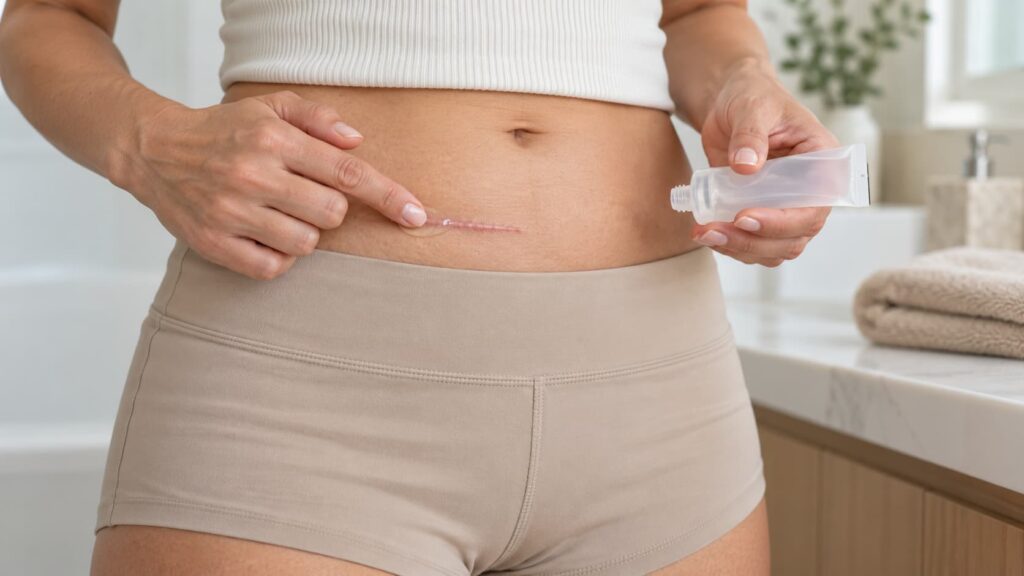
Stitches and bandages should be kept clean and dry. If the area becomes severely red, has a fever, or has foul-smelling discharge, contact your doctor for evaluation.
Expected results over the months
Weight loss occurs gradually over the following months. Each person responds differently, so results vary considerably.
At the same time, energy levels tend to improve as the body adapts to the new diet and routine.
Many patients report feeling better when sleeping, breathing, and moving, even within the first few months.. Patience and constant monitoring help make the process more manageable.
Useful items for post-operative care
To facilitate recovery after bariatric surgery, some people prefer to organize certain items at home. Here is a list that may help:
- always have a water bottle handy
- sleeping support pillow
- loose and comfortable clothing
- thermometer to check fever
- supplements or vitamins prescribed by the doctor
- support from friends or family for household chores
Approximate recovery timeline
| period | which usually happens |
| 1–3 days | Hospitalization, first steps with help |
| 1–2 weeks | Liquid diet, light walks, driving in some cases |
| 3–4 weeks | Start of soft diet, gradual return to work |
| 1–3 months | Introduction of solid foods, adaptation to new habits |
| 6 months and older | More visible weight loss, more energy for activities |
Conclusion
Recovery after bariatric surgery involves physical, emotional, and routine changes. Each person has their own pace, which is why the experience tends to be unique.
Schedule a consultation at New Body Bariatric Center in Miami It allows you to clarify doubts and plan that stage in a personalized way.