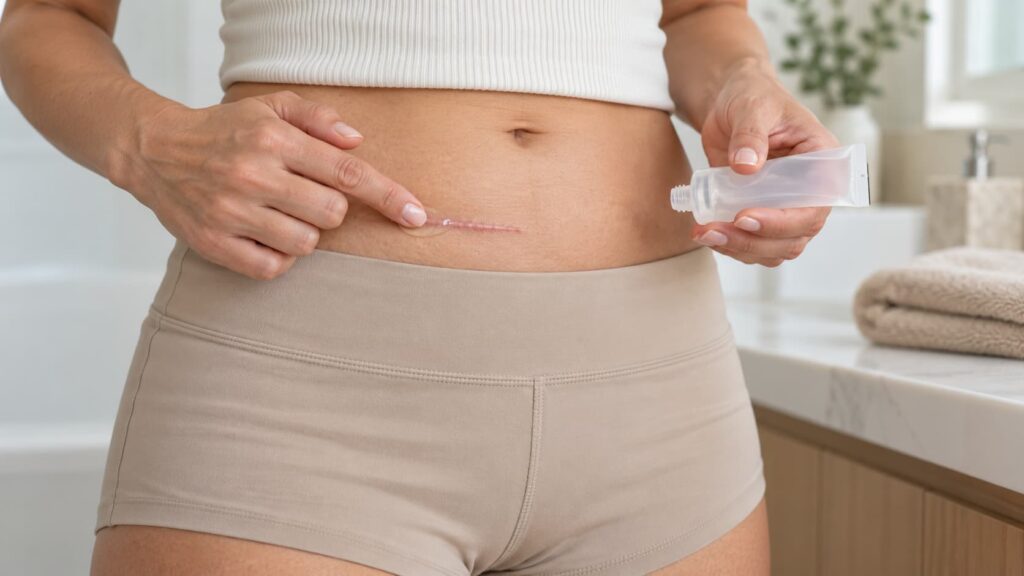
You've just had bariatric surgery and are excited about this new chapter in your life. However, after a few meals, you're experiencing nausea, dizziness, and intense discomfort. What's going on?
Probably, You are experiencing dumping syndrome, a condition that affects between 25% and 50% of patients undergoing gastric bypass.
Knowing about this condition makes all the difference in maintaining your quality of life after surgery.
What is dumping syndrome?
Dumping syndrome occurs when foods, primarily sugars and simple carbohydrates, They pass very quickly from the stomach to the small intestine.. Imagine a river that normally flows slowly and suddenly transforms into a waterfall. Your body can't process this surge of nutrients properly.
There are two main types of this condition: early dumping and late dumping. Early hunger occurs between 10 and 30 minutes after eating, while late hunger appears 1 to 3 hours after a meal. Each has its own characteristics and deserves separate attention.
After procedures such as the gastric bypass, Your stomach will be much smaller. The pylorus, which normally regulates the passage of food, may be bypassed during surgery.
This means that the contents of the stomach enter the intestine without the natural control that existed before.
Symptoms you need to recognize
Recognizing the symptoms early allows you to take immediate action and avoid further complications. The signs vary depending on the type of dumping syndrome you experience.
Early dumping
Right after eating, you may feel:
- Severe nausea and vomiting
- Abdominal cramps and pain in the stomach area
- Sudden diarrhea
- Feeling of bloating and discomfort
- Tachycardia (rapid heartbeat)
- Dizziness and weakness
- Excessive sweating
- Facial flushing (red face)
These symptoms appear because the small intestine receives a large amount of undigested food.
Your body responds by releasing water and hormones to try to balance the situation, which is causing all this discomfort.
Late dumping
A few hours after eating, the symptoms change:
- Hypoglycemia (a sudden drop in blood sugar)
- Tremors and anxiety
- Mental confusion and difficulty concentrating
- Intense and sudden hunger
- Heart palpitations
- Extreme fatigue
Late dumping occurs because your pancreas releases a lot of insulin in response to the sugars that quickly reached the intestine.
Then, when all that sugar has been absorbed, you're left with excess insulin circulating, which brings down your glucose levels.
Differences between early dumping and late dumping
| Feature | Early Dumping | Late Dumping |
| Start time | 10-30 minutes after eating | 1-3 hours after eating |
| Main cause | undigested food in the intestine | Excess insulin and hypoglycemia |
| Main symptoms | Nausea, diarrhea, cramps, tachycardia | Tremors, confusion, hunger, weakness |
| Mechanism | Shift of fluids into the intestine | exaggerated insulin response |
| Prevalence | More common (75% of cases) | Less common (25% of cases) |
| Priority treatment | Dietary modification and hydration | Glycemic control and frequent meals |
Recognizing the type helps to adapt the diet and control strategies.
Why does dumping syndrome occur?
The main cause is related to the anatomical changes caused by the bariatric surgery.
When you have gastric bypass surgery, surgeons create a small stomach and connect it directly to the small intestine. This alteration eliminates the natural control mechanisms that regulated digestion.
According to research published in the Journal of the American Medical Association, patients undergoing gastric bypass They have a significantly higher risk of developing dumping syndrome compared to other bariatric techniques..
The vertical gastrectomy (sleeve), For example, it preserves the pylorus and has lower rates of this complication.
Foods that can trigger dumping
Some foods dramatically increase the likelihood of you having a seizure:
- Concentrated sweetss: cakes, ice cream, chocolates
- Sugary drinks: soft drinks, processed juices
- Refined carbohydrates: white bread, pasta, white rice
- Processed foods with high sugar content
- Alcoholic beverages
- Dairy products with high amounts of lactose
Do you notice that all these foods have something in common? They are absorbed quickly and cause blood sugar spikes..
Factors that increase the risk
- Eat very fast
- Eating large portions all at once
- Drink fluids during meals
- Not chewing food properly
- Go to bed immediately after eating
How doctors diagnose
At New Body Bariatric Center, in Miami, our specialists They use various methods to identify dumping syndrome. The diagnosis usually begins with a detailed conversation about your symptoms and eating habits.
The modified oral glucose tolerance test can be performed. You drink a sugar solution and doctors monitor your response for a few hours. If you develop characteristic symptoms and your blood sugar drops abruptly, the diagnosis is confirmed.
Other tests include:
- Analysis of glucose levels at different times
- Heart rate and blood pressure monitoring
- Assessment of eating habits through a diary
- Imaging tests when necessary
Treatments that work
Most patients find significant relief by implementing changes in their daily routine and lifestyle.
Let's understand the main strategies that have shown positive results.
1. Dietary changes
The good news is that most cases improve significantly. with adjustments to the power supply. You don't need to live with these symptoms forever.
Proven strategies:
- Eat small portions, 5 to 6 times a day
- Chew slowly and enjoy every bite
- Wait 30 minutes after eating before drinking liquids
- Prioritize lean protein at all meals
- Includes fibers to slow absorption
- Avoid simple sugars completely
- Lie down for 30 minutes after large meals (only if necessary)
2. Ideal meal composition
Your dishes should contain:
- 50-60% of protein (chicken, fish, eggs, tofu)
- 30-40% of non-starchy vegetables
- 10-20% of complex carbohydrates (sweet potato, quinoa)
- Healthy fats in moderation (avocado, olive oil)
3. Medication options
When dietary changes are not enough, there are medications that can help. Octreotide, for example, reduces the release of intestinal hormones and can relieve symptoms. Acarbose slows down the absorption of sugars in the intestine.
Your doctor at New Body Bariatric Center will assess whether you need these medications. Never self-medicate, since each case has its own particularities.
4. Surgical interventions
In rare and serious situations, When no conservative treatment works, surgical revision may be necessary.
Procedures such as pyloric reconstruction or bypass modifications may be considered.
Practical tips for preventing crises
You can take control of the situation by following these recommendations:
At breakfast:
- Scrambled eggs with fresh cheese
- Plain Greek yogurt without added sugar
- Avoid juices, even natural ones.
At lunch and dinner:
- Always start with the protein
- Add cooked vegetables or salads
- Leave the carbohydrates for last (and in smaller quantities)
Smart snacks:
- Walnuts and almonds (small portion)
- Cottage cheese
- Slices of turkey or chicken
What you should completely avoid:
- Fast food and ultra-processed foods
- Carbonated drinks
- Sweets and sugary desserts
- Industrialized sauces high in sugar
When you need to seek medical help
Some signs indicate that you should contact New Body Bariatric Center immediately:
- Symptoms that worsen even when following all instructions
- Excessive and unintentional weight loss
- Frequent fainting spells or falls
- Inability to maintain an adequate diet
- Symptoms that interfere with your daily activities
- Severe and recurrent hypoglycemia
RememberYou are not alone on this journey. Our team in Miami is ready to offer you all the necessary support during your recovery.
Life after understanding dumping syndrome
Receiving a diagnosis of dumping syndrome can seem frightening at first. However, thousands of patients in the United States They learned to manage this condition and live fully. Studies show that more than 701% of people are able to control their symptoms with dietary changes alone.
The key is understanding how your new digestive system works. You underwent a significant transformation with bariatric surgery, and now you need to learn to work with your body, not against it. Every meal is an opportunity to make choices that make you feel good.
In New Body Bariatric Center, We support our patients far beyond the operating room. You are part of a community that understands your challenges and celebrates your victories.. Dumping syndrome does not define your bariatric experience – it is just an obstacle that you can overcome with knowledge and proper support.
Are you experiencing symptoms after your bariatric surgery? Contact our team in Miami.
Schedule a follow-up consultation and together we will find the best strategies for you to live with health, comfort and quality of life.
FAQs about dumping syndrome
The duration varies from patient to patient. Many people experience symptoms in the first few months after gastric bypass, but with appropriate dietary modifications, the episodes decrease significantly. Some patients achieve complete control of the condition within 6 to 12 months, while others may experience occasional episodes if they consume trigger foods.
While not all cases can be prevented, you can drastically reduce your chances of experiencing attacks. Eat small portions, avoid simple sugars and refined carbohydrates, chew slowly, and wait 30 minutes after eating before drinking liquids. More than 70% of patients who follow these recommendations successfully manage their symptoms.
Both types require attention, but late dumping syndrome can be more concerning due to the severe hypoglycemia it causes. The sudden drop in blood sugar can lead to fainting, confusion, and, in extreme cases, loss of consciousness. If you experience frequent episodes of late dumping syndrome, contact your medical team at New Body Bariatric Center immediately.
If you're experiencing early dumping syndrome, lie down for 20-30 minutes and breathe deeply. For late dumping syndrome with hypoglycemia, eat a small amount of protein with complex carbohydrates (not simple sugars). Keep a record of the foods that triggered the episode so you can avoid them in the future, and share this information with your doctor.
No. Gastric bypass carries the highest risk (25-501 patients), as it alters the natural passage of food. Sleeve gastrectomy has much lower rates because it preserves the pylorus.