Are you considering gastric sleeve surgery, but are worried about post-operative pain making you unsure?
This is one of the most common questions we receive here at New Body Bariatric Center, and the answer deserves an explanation.
The truth is, yes., There is some discomfort after the procedure. But before you close this page worried, keep reading..
The level of Pain varies significantly from person to person, And advances in surgical techniques and pain management have made this experience much more manageable than you might imagine.
What really happens during gastric sleeve surgery
Vertical sleeve gastrectomy, popularly known as gastric sleeve, involves the removal of approximately 75-80% from the stomach.
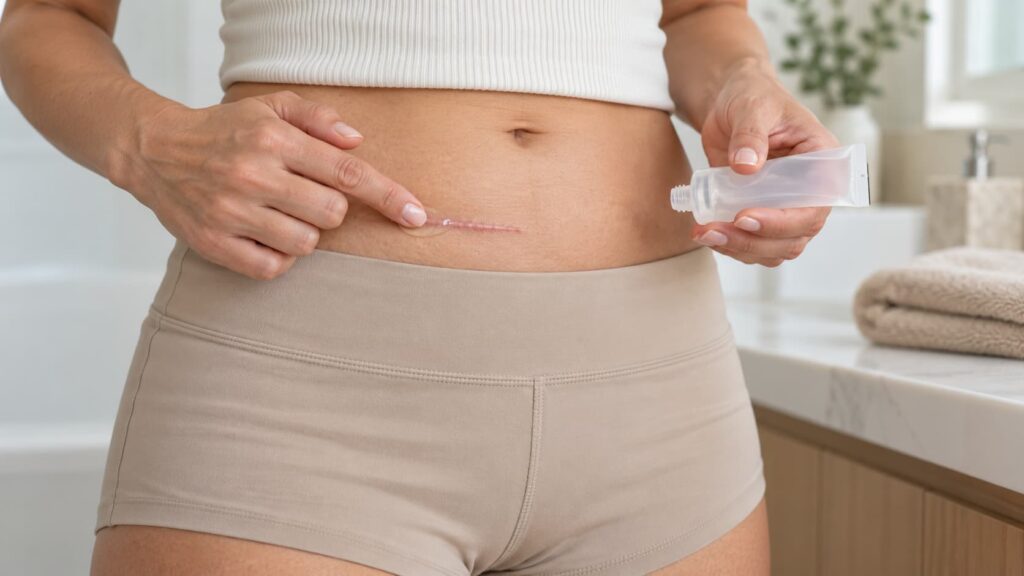
The surgeon performs the procedure through small laparoscopic incisions., which already considerably reduces trauma to the tissues when compared to traditional open surgeries.
During the operation, you are completely anesthetized and feel absolutely nothing. What worries most people is exactly the period that comes after, when the anesthesia loses its effect.
What is the pain like in the first 24 hours?
The first few hours after waking up from anesthesia They represent the moment of greatest discomfort..
According to data from the American Society for Metabolic and Bariatric Surgery (ASMBS), most patients report the sensation of pain as moderate., generally between 4 and 6 on a scale of 0 to 10.
You can feel:
- Abdominal pain around the incisions
- A feeling of pressure or fullness in the abdomen
- Discomfort in the left shoulder (caused by the carbon dioxide gas used during laparoscopy)
- Mild to moderate nausea
- Difficulty finding a comfortable position
Shoulder discomfort surprises many patients because it seems unrelated to the stomach. However, this phenomenon occurs when residual gas from surgery irritates the diaphragm, which shares nerves with the shoulder region.
Pain management protocol
Our team in Miami uses a multimodal approach to manage post-operative discomfort. This means that We combine different methods and medications to provide the maximum possible relief.
Medications prescribed in the immediate post-operative period:
| Type of medication | Main function | Typical duration |
| Opioid analgesics | Moderate to severe pain management | 3-5 days |
| Non-steroidal anti-inflammatory drugs | Reduction of inflammation | 7-10 days |
| Antiemetics | Nausea prevention | 5-7 days |
| Gastric protectors | Protection of the new stomach | 30-60 days |
It's worth noting that you'll receive pain medication while still in the hospital, even before you experience significant discomfort. This preventative approach works better than waiting for the pain to intensify.
The evolution of the pain week by week
To give you an idea of what to expect during your recovery, we'll detail how discomfort tends to evolve over the first few weeks after the procedure.
Week 1: The most challenging period
The gastric sleeve It hurts most intensely in the first three to five days. You will need the prescribed painkillers and you must strictly follow medical advice.
Moving around, although it may seem counterintuitive, helps reduce the discomfort caused by residual gas.
Walking short distances indoors, with frequent breaks, speeds up recovery and reduces the risk of complications such as blood clots.
Week 2: Gradual Improvement
During the second week, most people It has already significantly reduced the use of strong painkillers. You may feel occasional twinges when you move or cough, but the constant pain has usually passed.
Weeks 3-4: Gradual return to activities
At this point, the gastric sleeve only causes occasional pain. You may feel mild discomfort when making sudden movements or lifting heavy objects, but the pain no longer interferes with basic daily activities.
Factors that influence pain level
Not everyone experiences the same level of discomfort. Several factors can affect your individual experience:
Factors that can increase pain:
- Very high Body Mass Index (BMI) before surgery
- History of previous abdominal surgeries
- Low individual pain tolerance
- Failure to follow post-operative movement instructions
- Anxiety and muscle tension
Factors that help reduce pain:
- Advanced laparoscopic surgical technique
- Younger age (generally better recovery)
- Good pre-operative physical fitness
- Strictly follow the recovery protocol
- Appropriate emotional support
Non-drug strategies for managing discomfort
You don't need to rely solely on medication. There are several techniques that complement drug treatment:
- Proper positioning: Sleeping with your torso slightly elevated (using extra pillows) reduces pressure on the abdomen and makes breathing easier.
- Warm compresses: Applying gentle heat to the abdominal area can relieve cramps and muscle spasms. Never place the compress directly over incisions.
- Breathing techniques: Deep breathing exercises, despite causing initial discomfort, prevent pulmonary complications and improve the oxygenation of recovering tissues.
- Adequate hydration: Staying hydrated helps eliminate toxins from your body and speeds up healing. Remember to drink small sips frequently, never large amounts at once.
When does pain indicate a problem?
Although some discomfort is expected, certain signs indicate that you should contact the medical team immediately.
- Sudden and severe pain that does not respond to prescribed medications
- Fever above 100.4°F (38°C) accompanied by severe abdominal pain
- Redness, swelling, or discharge at the incision sites
- Chest pain or significant difficulty breathing
- Persistent vomiting that prevents fluid intake
According to the National Institute of Diabetes and Digestive and Kidney Diseases, Serious complications occur in fewer than 51% of gastric sleeve surgeries performed at specialized centerss.
Comparison with other bariatric surgeries
If you're researching different procedures, you might be wondering: how much does gastric sleeve surgery hurt compared to... gastric bypass or the gastric band?
Gastric sleeve surgery generally causes less pain than gastric bypass because it involves only a modification to the stomach, without altering the intestine. adjustable gastric band, Although less invasive, it has lower success rates and frequently requires additional surgeries.
Pre-operative preparation that reduces pain
You can positively influence your pain experience by starting to prepare even before surgery. Patients who actively participate in preparation recovery reported more comfortable.
Preparation checklist:
- Quit smoking at least 4-6 weeks beforehand (smokers experience more pain and slower healing)
- Practice relaxation and meditation techniques
- Strengthen abdominal and respiratory muscles with gentle exercises
- Optimize vitamin D levels (deficiency is associated with increased pain perception)
- Create a comfortable recovery environment at home
The long-term perspective is worth the temporary inconvenience.
Recognizing that gastric sleeve surgery is painful in the immediate postoperative period is important for having realistic expectations. However, this temporary discomfort needs to be put into perspective.
Data from the American College of Surgeons shows that patients who underwent gastric sleeve surgery lose, on average, 60-70% of excess weight in the first 12 months.
Many report improvement or complete resolution of conditions such as type 2 diabetes, hypertension, and sleep apnea.
The pain you feel in the first few weeks is the price of a transformation that can add years of quality to your life.
Your path to a comfortable recovery
Whom New Body Bariatric Center in Miami, Our priority is to ensure your day is as comfortable as possible. We offer support throughout your recovery period, and our team is always available to adjust your pain management protocol as needed.
Remember: Post-operative pain from gastric sleeve surgery is temporary, manageable, and predictable.. With proper preparation, appropriate medication, and by following the guidance of the medical team, you will get through that initial period and enter the exciting phase of seeing your transformation happen.
Do you have more questions about gastric sleeve surgery or would you like to schedule a consultation?