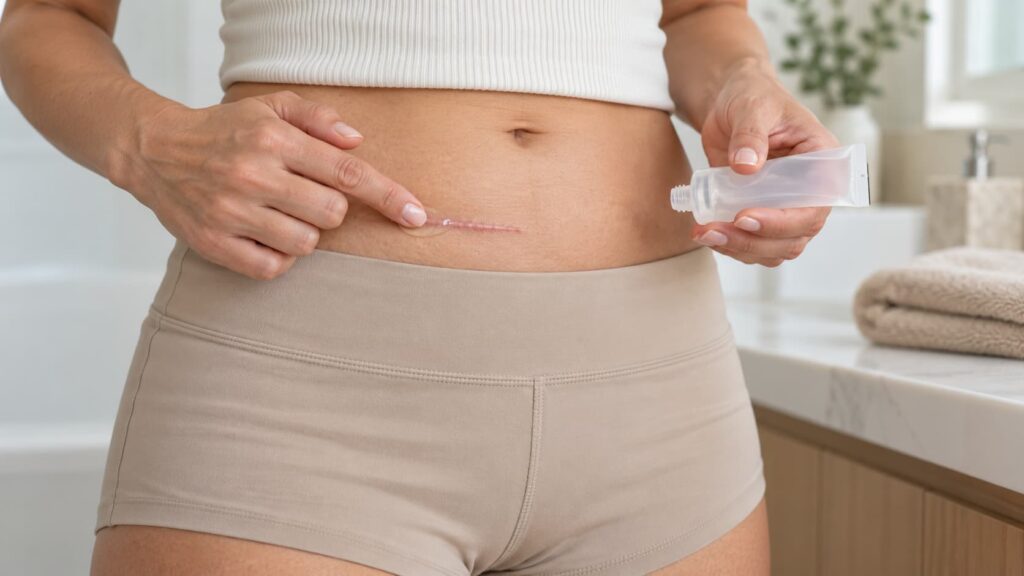
Are you considering gastric sleeve surgery and want to know what to expect during the recovery period?
This doubt is part of the journey for virtually all patients seeking this type of transformation.
Recovery after gastric sleeve surgery varies from person to person, but Understanding the stages and timelines could help you prepare better for this new phase of his life.
What happens right after surgery?
During the first few days, You will remain in the hospital under medical observation.. Most patients They are discharged between 24 and 48 hours after the procedure., depending on individual progress and the absence of complications.
During this initial period, the medical team monitors your vital signs, controls pain, and ensures that you remain properly hydrated.
You may experience abdominal discomfort and fatigue. These symptoms are completely normal and are part of the body's healing process.
The pain can usually be managed with medications prescribed by your surgeon.

Recovery timeline
Below is a realistic and easy-to-understand view of how it usually progresses recovery after the gastric sleeve.
First week
Upon returning home, the person follows a clear liquid diet followed by full liquid diet.
Strained soups, broths, water, sugar-free drinks, and protein supplements form the daily basis.
HE He recommends relative rest, avoiding exertion.. Those who work in offices generally return in 7 to 10 days, while those who perform heavier functions usually wait a little longer.
Weeks 2 to 4
The stomach can now tolerate thicker consistencies. Purees of simple foods—such as chicken, eggs, soft vegetables and yogurt— they form the basis of nutrition.
Nausea, if it occurs, is managed with medication. Energy levels gradually improve.
Walking is becoming more frequent and many people are already performing daily tasks without major limitations.
1 to 3 months
During this period, the diet progresses to soft foods and then soft solids.
Recovery after gastric sleeve surgery It shows notable changes in energy, appetite control, and weight loss..
Regular visits to the bariatric team are essential to adjust vitamin supplementation, which includes B12, iron, calcium, and vitamin D, as recommended by the nutritional guidelines of the ASMBS.
3 to 6 months
Most resume more strenuous activities. The digestive system stabilizes and The patient better understands the limitations of their new stomach.
Strength training should be incorporated under professional supervision. Those who maintain adequate hydration and consume sufficient protein show better results, according to studies. National Institutes of Health (NIH).
6 to 12 months
Recovery after gastric sleeve surgery enters a more mature stage. The rate of weight loss slows down and Metabolic stabilization becomes more evident.
Many people already live with a normal diet, always in smaller portions.
Emotional adaptation plays as important a role as physical adaptation.
Summary table of phases
| Period | How the patient usually feels | Common care | Feeding |
| 24–48 h | Fatigue, abdominal pressure | Monitoring, gentle walking | Clear liquids |
| Week 1 | Minor discomfort, adjustment | Hydration, rest | Full liquids |
| 2–4 weeks | Progressive improvement | Increased activity | Purees |
| 1–3 months | More energy | Supplementation | Soft foods |
| 3–6 months | More active life | Strengthening | Soft solids |
| 6–12 months | Stability | Complete routine | Regular solids |
Signs that deserve attention
During your recovery, you should stay alert to certain symptoms which may indicate complications:
- persistent fever above 38°C
- redness, swelling, or drainage at the incision sites
- Severe abdominal pain that does not improve with medication
- persistent vomiting that prevents adequate hydration
- Signs of dehydration, such as dark urine or dizziness
- difficulty breathing or chest pain
Any of these symptoms requires immediate contact with the team of New Body Bariatric Center. Their well-being always comes first.
Emotional aspects of recovery
Physical recovery is only part of the journey. Many patients They experience an emotional rollercoaster during the first few weeks..
It is possible to feel anxiety about dietary changes, worry about the results, or even moments of temporary regret.
These feelings may appear and are part of the process of adapting to their new reality.
He psychological support The services offered by the clinic can help you manage these emotions and stay focused on your health goals.
Continuous medical monitoring
Follow-up consultations represent a fundamental part of long-term success.
New Body Bariatric Center It establishes a timeline that typically includes:
- first consultation1–2 weeks after surgery
- second consultation: between 4–6 weeks post-surgery
- subsequent inquiries: at 3 months, 6 months and then annually
During these visits, your team assesses your recovery after gastric sleeve surgery, adjusts vitamin supplementation, monitors weight loss, and answers any concerns that may arise.
Vitamin supplementation
Her body absorbs nutrients differently after surgery. Daily supplementation becomes necessary to prevent deficiencies.
The most recommended supplements usually include:
- multivitamin specifically for bariatric surgery
- calcium with vitamin D
- vitamin B12
- iron (especially in women)
You probably You will need to maintain this supplementation for life.. Regular blood tests help monitor nutritional levels and adjust dosages when necessary.
Factors that influence recovery time
Why do some people recover faster than others? Several factors can influence recovery time, such as:
- age and previous physical condition
- Presence of medical conditions, such as diabetes or sleep apnea
- adherence to medical and nutritional recommendations
- family and social support available
- surgical team experience
Patients who strictly follow the instructions tend to have calmer recoveries and better results.
Realistic expectations
How long does it take to see significant results? Weight loss tends to be faster during the first 3 to 6 months.
Data from the ASMBS show that patients usually Lose between 60% and 70% of excess weight within 12 to 18 months after gastric sleeve surgery.
Full recovery—which includes dietary adjustments, establishing new habits, and weight stabilization—can take between 12 and 24 months. During this period, you will notice steady improvements in energy, mobility, and obesity-related health conditions.
The day after gastric sleeve surgery represents much more than physical recovery. It's a complete lifestyle transformation, with benefits that last a lifetime.
Why look for a specialized center in Miami?
In places like New Body Bariatric Center, In Miami, patients find teams with experience in post-operative management, advanced nutrition, emotional support, and food education programs.
Continuous support promotes a much safer and more organized recovery after gastric sleeve surgery.
📅 Schedule your appointment at New Body Bariatric Center
Most patients progress through phases ranging from the first few days in the hospital to full stabilization between 6 and 12 months, depending on individual progress.
Patients with office jobs usually return to work in 1 to 2 weeks, while more intense physical activities require a longer rest period.
The diet progresses in stages: clear liquids, full liquids, purees, soft foods and then soft solids, always under the supervision of the bariatric team.
Fever, severe abdominal pain, persistent vomiting, dehydration, or drainage from incisions require immediate contact with the medical team.
Yes. Daily supplementation with multivitamins, calcium, vitamin D, iron, and B12 is part of long-term care to prevent nutritional deficiencies.