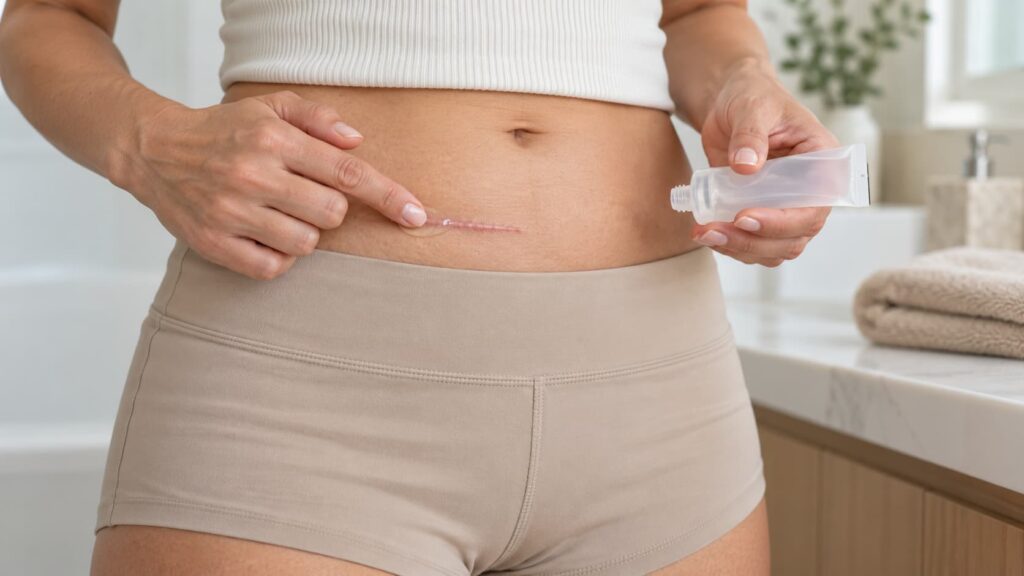
Did you have gastric band surgery and now you're wondering: is it time for an adjustment?
This doubt is completely normal and, in fact, It shows that you are paying attention to your body's signals.. The reality is that adjustments are a fundamental part of the long-term success of this bariatric procedure.
The adjustable gastric band It functions like a tool that requires regular calibration. It's not a device you set up and forget about. Think of it as a precision instrument that needs continuous monitoring to deliver optimal results.
But how do you know when it's the right time to look for your surgeon?
The signs that indicate a need for adjustment
Your body speaks, and you need to learn to listen. When the band is very loose, you may notice that the feeling of satiety takes longer to appear.. You may be eating larger portions than in the first few months after surgery. Hunger is returning more intensely, and that feeling of satisfaction after meals simply isn't the same as before.
Has your weight loss stalled? This can be an important indicator. If you're following nutritional guidelines correctly, exercising regularly, and yet the numbers on the scale remain unchanged for several consecutive weeks, it may be time to consider adjusting your gastric band.
On the other hand, A very tight band also causes problems.
- Do you have difficulty swallowing solid foods?
- Frequent episodes of vomiting after meals?
- Do you have persistent heartburn or reflux that doesn't improve with medication?
These are warning signs that cannot be ignored.
How often do adjustments occur?
In the first few months after surgery, gastric band adjustments occur more frequently. Most patients undergo their first adjustment between four and six weeks after the procedure. During the first year, you will likely visit your surgeon every four to eight weeks for evaluations and possible adjustments.
According to data from the American Society for Metabolic and Bariatric Surgery (ASMBS), patients who maintain regular follow-up in the first two years show significantly better results in weight loss and maintenance. Gastric band maintenance is not optional – it makes all the difference between success and frustration.
After the first year, the frequency decreases. You may need adjustments every three to six months, depending on your individual response. Some patients reach a "sweet spot" and remain stable for longer periods, while others need more frequent adjustments.
What happens during the adjustment procedure?
The process is surprisingly simple and quick. Your doctor locates the band's access port through your skin—usually using ultrasound or fluoroscopy for greater accuracy. A small needle is inserted into that port, and saline solution is added or removed as needed.
The entire procedure takes between 10 and 15 minutes. You don't need anesthesia, just a small amount of local anesthetic on the skin area.. Most patients describe the sensation as a mild discomfort, nothing compared to the original surgery.
After the adjustment, You will probably be on a liquid diet for 24 to 48 hours, gradually progressing to soft foods and then solids. This allows your stomach to adjust to the new level of restriction.
Factors that influence the need for adjustment
Various life situations can affect the performance of your band. Hormonal changes, Life events such as pregnancy or menopause often require adjustments. Stress also impacts your body in unexpected ways – some patients notice that Periods of high emotional stress affect how the band functions..
Significant weight gain or loss changes the anatomy around the band. If you've lost a significant amount of weight, the tissue around your stomach decreases, and the band may need to be tightened. The opposite is also true – If you've gained weight, you may need to loosen up temporarily..
The age of the device also matters. Over time, Small amounts of saline solution may evaporate through the system, requiring replenishment..
Studies published in the Journal of Obesity Surgery indicate that approximately 10% of patients experience small leaks in the band system over five years.
Warning signs that require immediate attention
Some symptoms should not wait until your next scheduled appointment. Severe and persistent abdominal pain, frequent vomiting lasting more than 24 hours, or total inability to swallow liquids These are medical emergencies.
Dehydration is a real risk when the band is too tight. If you are unable to keep fluids down, you need to seek medical attention immediately.. The signs include dark, concentrated urine, dizziness upon standing, extreme dry mouth, and intense fatigue.
Fever accompanied by pain at the band site may indicate infection. Redness, warmth, or drainage in the access port area also require urgent medical evaluation.
The importance of professional follow-up
Here at New Body Bariatric Center in Miami, we regularly see patients who have tried to endure uncomfortable symptoms for a long time. Some worry about bothering the medical team with frequent appointments. Let me be clear: you're never upsetting anyone when it comes to your health.
Research conducted by Cleveland Clinic shows that patients who maintain regular follow-up visits lose, on average, 50% more excess body weight compared to those who skip appointments.
Follow-up is not just about adjusting the band – it's about ongoing nutritional education, psychological support, and adapting the treatment to your individual needs.
Common myths about adjustments
«"The tighter, the better"» This is perhaps the biggest misconception. An excessively tight band doesn't accelerate weight loss—it causes complications. You can end up vomiting frequently, leading to malnutrition, dehydration, and even enlargement of the stomach pouch above the band.
Another myth: «"Once I find my sweet spot, I never need to go back."». Your body is constantly changing. What works today may need adjusting in six months.
Gastric band maintenance is for life, not temporary.
Preparing for your fitting appointment
Before visiting your surgeon, Keep a food diary for one or two weeks. Write down what you eat, when you eat, how much you eat, and how you feel afterwards. Record any episodes of vomiting, heartburn, or difficulty swallowing. This information helps your doctor make more accurate decisions about adjusting your medication.
Be honest about your eating habits. If you're "cheating" the blood pressure band with high-calorie foods that pass through easily (ice cream, milkshakes, chocolate), your doctor needs to know.. The problem may not be the band, but the food choices.
Bring a list of your current medications, including supplements and vitamins. Some medications affect digestion and can mimic symptoms of a band that is too tight or too loose.
The patient's role in the success of the adjustments
You are the person who knows your body best. Your surgeon relies on your feedback to make precise adjustments. Open and honest communication completely transforms the results. Don't downplay symptoms for fear of seeming demanding or complicated.
Keep your scheduled appointments, even when you're feeling well. Preventative adjustments are more effective than emergency adjustments. Gastric banding is a partnership between you and your medical team – both sides need to be committed.
The journey with gastric banding doesn't end in the operating room. In fact, it's just the beginning. Regular adjustments, consistent follow-up, and your willingness to work with your medical team determine whether you'll reach and maintain your weight loss goals. When you notice signs that something has changed, don't hesitate to seek professional guidance. Your healthier future depends on this ongoing partnership.