Have you ever considered losing weight in a less invasive way than traditional bariatric surgery?
The gastric balloon has become a popular alternative in the United States for people struggling with being overweight, but who do not yet qualify for or do not wish to undergo more complex surgical procedures.
This comprehensive guide will clarify everything you need to know about this treatment.
What is a gastric balloon?
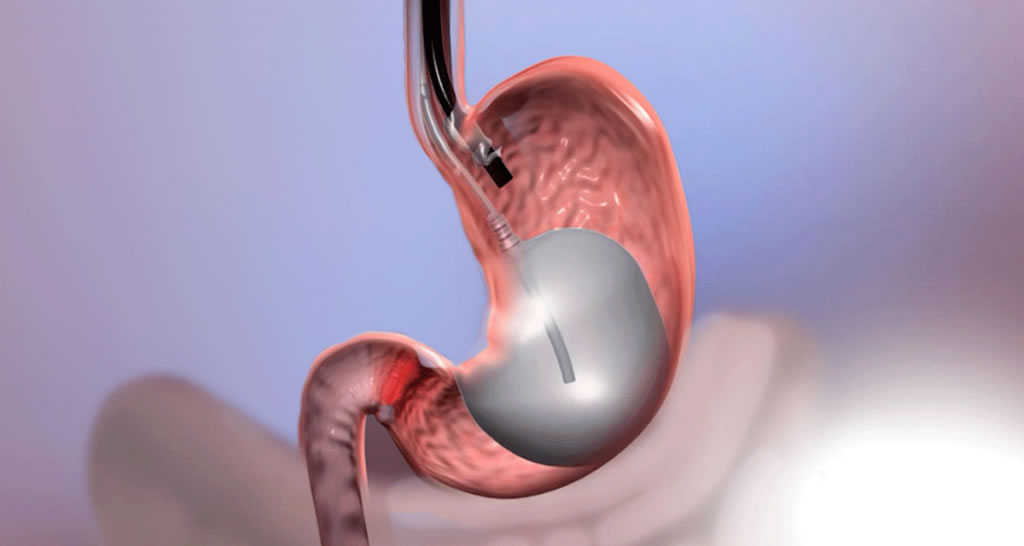
He gastric balloon (also known as an intragastric balloon) It is a temporary device placed in the stomach through an endoscopic procedure.
Imagine a soft silicone balloon that, once inserted and inflated inside your stomach, takes up space and helps you feel full faster.
Unlike the bariatric surgeries that permanently alter your digestive system, This procedure is reversible and does not involve cuts or alterations to the anatomy of the stomach..
The device It remains in the body for approximately six months., during which you actively work to develop healthier eating habits.
How the intragastric balloon mechanism works
The principle behind this treatment is relatively simple: By occupying about a third of your stomach's volume, the balloon reduces the amount of food you can eat. at a meal. When you eat, you feel satisfied much faster than before.
But its function goes beyond simple physical restriction. Research shows that the gastric balloon It also influences hormones related to hunger and satiety.. A study published in Obesity Surgery In 2017, it was shown that patients with the device presented alterations in the levels of ghrelin, the hormone responsible for the feeling of hunger.
Types of balls available in the United States
The FDA has approved three main types of gastric balloons for use in the U.S.:
1. Orbera
The most common type on the American market. This unique balloon is filled with saline solution and remains in the stomach for six months.
According to data from Apollo Endosurgery, the manufacturer of the Orbera, patients lose an average of 10% of their total body weight.
2. ReShape Duo
It consists of two connected balloons, which provides additional stability. It also remains in the stomach for six months and is filled with saline solution.
3. Obalon
A system of three balloons that are ingested in capsule form over several months. Unlike the others, these are filled with gas. This system became less popular and was discontinued in 2020.
Who can have the procedure
You qualify for the gastric balloon if you meet the following criteria established by the FDA:
- BMI (Body Mass Index) between 30 and 40
- Age between 18 and 65 years
- Previous attempts to lose weight through diet and exercise without lasting success
- Commitment to follow a lifestyle change program
- Absence of previous surgeries on the stomach or esophagus
There are important contraindications. You cannot have the procedure done if you have:
- History of gastric or esophageal surgery
- Inflammatory bowel disease or Crohn's disease
- Large hiatal hernias
- Esophageal or gastric varices
- Pregnancy or planning to become pregnant during treatment
- Regular use of anti-inflammatory or anticoagulant medications
What happens during placement
The insertion of the gastric balloon It takes approximately 20 to 30 minutes and is performed under light sedation.. You will not feel any pain during the process.
See how it works step by step:
- PreparationYou will receive intravenous sedation to keep you comfortable and relaxed.
- EndoscopyThe doctor inserts an endoscope (thin tube with a camera) through the mouth into the stomach
- InspectionThe professional examines your stomach to ensure it is healthy enough to receive the balloon.
- InsertionThe deflated balloon passes through the esophagus into the stomach.
- FillOnce positioned, the doctor fills the balloon with approximately 400-700ml of sterile saline solution (usually with blue dye to detect possible leaks)
- EndingThe endoscope is removed and you go to recovery.
Most patients They return home on the same day. You can return to Miami or any city in Florida where you live a few hours after the procedure.
First days
Let's be honest: the first three to five days after the ball placement can be challenging. Your body needs to adapt to this new "guest" in your stomach.
Common symptoms include:
- Nausea (present in approximately 901% of patients within the first 72 hours)
- Occasional vomiting
- Abdominal cramps
- Acid reflux
- A feeling of constant fullness
New Body Bariatric Center It provides anti-nausea medications and acid suppressants to help you manage these symptoms.
The good news? The vast majority of patients report that symptoms decrease significantly after the first week.
Progressive post-procedure diet
Your stomach needs time to adjust. The typical food progression follows this timeline:
- Days 1-3Only clear liquids (water, broth, gelatin)
- Days 4-7: Complete liquids (protein smoothies, strained creamy soups)
- Weeks 2-3: Soft foods (purees, Greek yogurt, well-cooked scrambled eggs)
- Week 4 onwardsSoft solid foods, with gradual introduction of firmer textures
Throughout the entire six-month period, You work with specialized nutritionists that provide guidance on appropriate portions, nutritious food choices, and mindful eating techniques.
How much weight can you lose
The numbers vary, but the research offers a realistic perspective.
A multicenter study published in 2015 in Surgery for Obesity and Related Diseases It followed 1,770 American patients who underwent the Orbera procedure.
The results showed:
- Average loss of 10.2% of total body weight in six months
- Patients lost an average of 33 pounds during the period
- Approximately 771% of patients achieved a loss of at least 51% of their initial weight.
- The 48% lost 10% or more of body weight
To put it in perspectiveIf you weigh 220 pounds, you can realistically expect to lose between 22 and 33 pounds during the six months with the balloon.
Some patients lose more, others a little less, depending on adherence to the program.
Professional support
Here's something that many people don't initially understand: The gastric balloon is not a magic solution that works on its own., It's a powerful tool, but you need to do your part.
New Body Bariatric Center, as a center of bariatric excellence in the United States, offers a comprehensive program that includes:
- Monthly consultations with a nutritionist
- Behavioral counseling sessions
- Guidance on progressive physical activity
- Support groups with other patients
- Regular medical monitoring
Patients who actively participate in this support program show significantly better results than those who attempt the process alone.
Physical activity during treatment
You don't need to become an elite athlete, but Incorporating regular movement makes a noticeable difference in the results.
The standard American recommendation is:
- Start with light walks of 10-15 minutes daily in the first week
- Progress to 30 minutes of moderate activity five times per week
- Add light resistance exercises after the first month
- Aim for 150-300 minutes of activity per week until the end of treatment
Do you live in Miami? Take advantage of the beaches and parks for morning walks. Florida's climate is conducive to outdoor activities year-round.
Possible complications and how to minimize them
Although the gastric balloon is considered safe, complications can occur. Transparency is important so you can make an informed decision.
Minor complications (occur in 10-15% of the cases):
- Dehydration due to persistent nausea
- Mild gastric ulcers
- Increased gastroesophageal reflux
Rare but serious complications (less than 1% of the cases):
- Deflation of the balloon (you would notice blue urine due to the dye)
- Intestinal obstruction if the deflated balloon migrates
- Gastric perforation (extremely rare)
The FDA reported some deaths associated with the gastric balloon in 2017, which led to additional safety alerts. However, When the procedure is performed by experienced teams and with adequate support, the risks remain very low..
Ball removal
After approximately six months, it is time to remove the gastric balloon.
The removal procedure is similar to the placement procedure:
- You receive mild sedation
- The doctor inserts the endoscope
- The balloon is punctured and the fluid drains out.
- The empty balloon is removed through the mouth using endoscopic instruments
- The whole process takes about 20-30 minutes
You go home the same day and can return to normal activities within 24 hours.
Maintaining long-term results
Here is the truth you need to hear: The period after balloon removal is just as important as the six months with the device..
Follow-up studies show that patients who maintain the habits developed during treatment They manage to preserve 75-80% of weight loss after one year.
Strategies for maintaining results:
- Continue with regular (though less frequent) nutritional consultations
- Keep a food diary
- Weigh yourself weekly to detect small increases before they become large.
- Stay physically active
- Participate in support groups
Some patients eventually opt for more definitive bariatric procedures after the balloon, especially if they still need to lose significant additional weight.
Comparative table: gastric balloon vs bariatric surgery
| Aspect | Gastric balloon | gastric sleeve | Gastric bypass |
| Method | Non-surgical | Surgical | Surgical |
| Recovery time | 24–72 h | 2 weeks | 2–3 weeks |
| Average weight loss | 10–15% of the total weight | 25–30% | 30–35% |
| Accompaniment | Nutrition + Psychology | Multidisciplinary team | Multidisciplinary team |
| Device persistence | Temporary (6 to 12 months) | Permanent | Permanent |
This comparison shows how each technique caters to different profiles. The balloon works best in cases of moderate overweight, while surgery is applied to patients with more advanced obesity.
Insurance costs and coverage in the United States
Let's talk about the financial reality. The cost of a gastric balloon in the United States It varies between $6,000 and $9,000, including the device, placement and removal procedures, and generally the accompanying program.
The issue of insurance coverage is complicated. Most American insurance plans They do not cover the gastric balloon because the FDA classifies it as a temporary device, not as bariatric surgery.
However, some insurers began to offer partial coverage, especially when the patient presents with weight-related comorbidities such as type 2 diabetes or hypertension.
New Body Bariatric Center works with various financing options to make treatment more accessible. It's worth checking with your insurance provider and exploring payment options.
The gastric balloon is right for you
This decision should be made in conjunction with specialized professionals. The ball works best for people who:
- They are moderately overweight (not extremely morbidly obese)
- They are motivated to make lifestyle changes
- They need help to "reset" their eating habits
- They do not qualify or prefer to avoid permanent surgery
- They can commit to six months of intensive support
On the other hand, it might not be the best option if:
- You expect results without personal effort
- You have medical conditions that contraindicate the procedure
- You need to lose more than 110 pounds (bariatric surgery may be more appropriate)
- You can't commit to long-term dietary changes
Ready to take the next step?
The gastric balloon represents a valuable option in the spectrum of weight loss treatments. It is not as intensive as surgeries like gastric bypass or sleeve gastrectomy, but it offers more significant results than conventional diets. for many people.
The key to success lies in understanding that these six months are an intensive learning period about your body, your nutritional needs, and your food triggers. The gastric balloon offers a window of opportunity where you can develop skills and habits that will last a lifetime.
If you are considering this treatment, Schedule a consultation with certified bariatric specialists. In New Body Bariatric Center in Miami, Our team can assess your individual situation, discuss realistic expectations, and determine if the gastric balloon aligns with your health goals.
❗Remember: The weight loss journey is personal and unique. What works wonderfully for one person may not be ideal for another. Get informed, ask questions, and make an informed decision that supports your long-term health.
Frequently asked questions about the gastric balloon
The gastric balloon remains in your stomach for approximately six months. This period has been determined by clinical studies as the optimal time to achieve significant results while minimizing risks. After six months, the device should be removed using a simple endoscopic procedure similar to the initial placement.
You won't feel any pain during the placement because it's performed under sedation. However, for the first 3-5 days after the procedure, you may experience nausea, abdominal cramps, and a feeling of fullness as your body adjusts. Approximately 90% of patients report that these symptoms decrease significantly after the first week with the help of anti-nausea medication.
You won't be able to eat the same amounts as before. The balloon takes up space in your stomach, reducing your capacity to eat. You'll follow a progressive diet: starting with clear liquids, moving to full liquids, then pureed foods, and finally soft solids. You'll learn to eat smaller portions and make nutritious choices with the support of specialized nutritionists.
The cost of a gastric balloon ranges from $6,000 to $9,000 in the United States. This price typically includes the device, the placement and removal procedures, and the nutritional counseling program. Most insurance plans do not cover this procedure because the FDA classifies it as a temporary device, although some insurers offer partial coverage if you have weight-related comorbidities.
FDA-approved gastric balloons contain blue dye in the saline solution specifically to detect leaks. If the balloon deflates, you may notice your urine turning blue or green. This is rare (occurring in fewer than 11% of cases), but if it happens, you should contact your doctor immediately to have the deflated balloon removed and prevent it from migrating into the intestine, which could cause an obstruction.