The link between obesity and type 2 diabetes is well-established. For many people, weight gain not only affects physical appearance but also makes it harder to control blood sugar, even with medication and dietary changes.
In this context, bariatric surgery —especially gastric sleeve surgery— has gained prominence as an alternative that can generate significant metabolic changes.
But what real impact does it have? gastric sleeve and type 2 diabetesWhat changes can be expected after the procedure? Below, we explain this topic clearly and based on medical information.
What is type 2 diabetes and how is it related to weight?
Type 2 diabetes is a metabolic condition characterized by insulin resistance and elevated blood glucose levels. In many cases, excess body fat—especially visceral fat—directly interferes with the action of insulin.
When the body doesn't respond properly to this hormone, the pancreas needs to produce increasingly more insulin to keep glucose under control. Over time, this mechanism becomes insufficient, leading to disease progression.
That's why, Body weight plays a key role in the management of type 2 diabetes, And sustained weight loss is often associated with improved glycemic control.
How does gastric sleeve surgery work beyond weight loss?
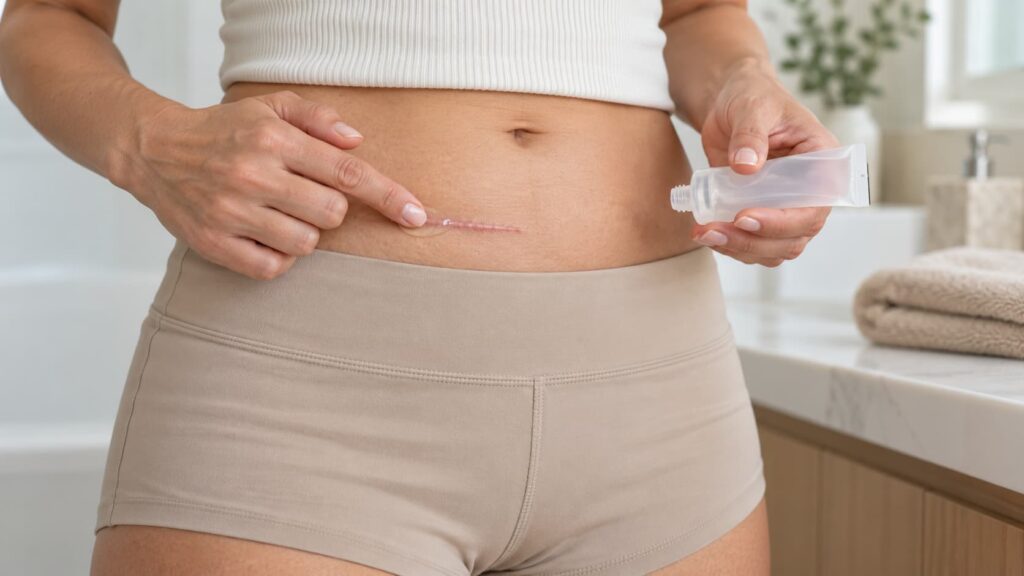
The gastric sleeve and type 2 diabetes They are related not only to weight loss, but also to hormonal and metabolic changes that occur after surgery.
During the procedure, the size of the stomach is reduced, limiting the amount of food that can be eaten. However, the benefits don't end there.
Hormonal changes after gastric sleeve surgery
The surgery reduces the production of ghrelin, known as the hunger hormone. In addition, it alters other intestinal hormones that influence appetite, satiety, and glucose metabolism.
These changes They can help to better control blood sugar levels even in early stages, before significant weight loss occurs.
Reduction of insulin resistance
Another important effect is the improvement in insulin sensitivity. As body fat decreases and metabolism is reorganized, the body can use insulin more efficiently, which directly impacts diabetes management.
Can gastric sleeve surgery improve type 2 diabetes?
In many patients, the Gastric sleeve surgery improves diabetes, allowing a gradual reduction of medication and, in some cases, better control without the need for insulin.
It is important to clarify that the results vary depending on factors such as:
- Diabetes diagnosis time
- Previous use of insulin
- Degree of insulin resistance
- Commitment to medical and nutritional follow-up
The earlier the surgery is performed in the progression of the disease, the greater the metabolic benefits usually observed.
What does remission of type 2 diabetes mean?
One of the most searched topics when talking about type 2 diabetes and bariatric surgery It is remission. In medical terms, Remission occurs when glucose levels are maintained within normal ranges without the use of medication..
This does not mean that diabetes is "cured", but that it is controlled without active drug treatment.
In some patients, gastric sleeve surgery can help achieve this outcome, especially when the surgery is accompanied by long-term healthy habits.
Changes in Type 2 Diabetes After Gastric Sleeve Surgery
Changes in glycemic control after gastric sleeve surgery can begin surprisingly soon, in some cases even days after the procedure.
This early improvement occurs before there is substantial weight loss, confirming that hormonal and metabolic changes play a crucial role, beyond simply reducing body weight.
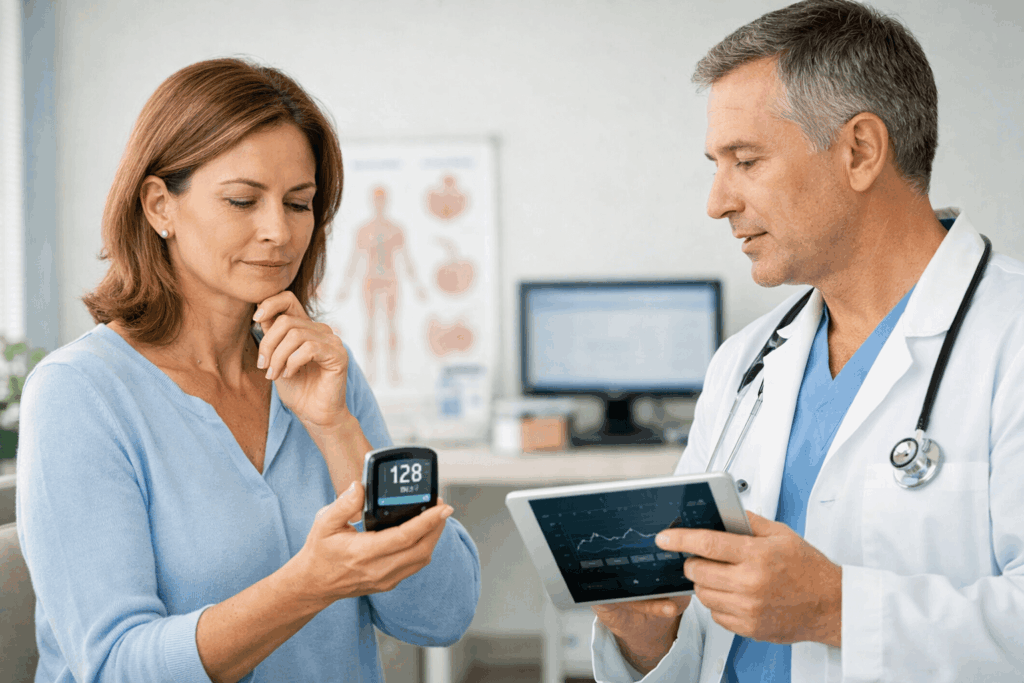
During the first few weeks, Many patients experience a significant reduction in their fasting and postprandial glucose levels. (after meals). In fact, it is common for endocrinologists to reduce the doses of diabetes medications immediately after surgery to avoid episodes of hypoglycemia (dangerously low glucose levels).
Within the first three to six months, most patients notice a dramatic improvement in their insulin sensitivity. The body begins to respond better to the insulin it produces, meaning less is needed to maintain stable glucose levels.
Many patients taking multiple oral medications can significantly reduce or even discontinue some of them under medical supervision.
Long-Term Transformations (1-5 Years)
The long-term results of gastric sleeve surgery in type 2 diabetes are even more impressive.
Scientific studies have It has been shown that between 60% and 80%, patients with type 2 diabetes who undergo a sleeve gastrectomy experience a remission of the disease., which means they can maintain normal glucose levels without the need for diabetes medication.
Glycated hemoglobin (HbA1c), the gold standard for long-term glycemic control, typically shows significant improvement. Patients who started with HbA1c levels above 81% or 91% frequently They manage to reduce them to normal or prediabetic ranges (below 6.5%) within the first year after surgery.
Research has also documented a substantial reduction in diabetes-related complications, including neuropathy, retinopathy, and kidney disease.
Improved sustained glycemic control significantly reduces the risk of these devastating complications that affect quality of life.
Who can consider gastric sleeve surgery if they have type 2 diabetes?
The bariatric surgery for diabetics It's not the same for everyone. Generally, criteria such as the following are evaluated:
- Body mass index (BMI)
- Level of diabetes control
- Presence of other associated diseases
- History of previous treatments
The decision should always be based on an individual and multidisciplinary assessment, considering risks, benefits, and realistic expectations.
Importance of medical follow-up after surgery
Ongoing support from a bariatric surgeon, endocrinologist, and nutritionist is essential for:
- Adjusting diabetes treatment
- Monitor glucose levels
- Evaluate metabolic evolution
- Maintaining long-term health
This follow-up allows the benefits of the gastric sleeve to consolidate over time.
The first step towards its transformation
If you live with type 2 diabetes and obesity, and have struggled to manage these conditions despite your best efforts, gastric sleeve surgery could be the intervention that changes the course of your health. The scientifically proven results speak for themselves: remission rates of 60-80%, dramatic improvements in HbA1c levels, significant medication reductions, and an overall improved quality of life.
The first step It is an informative consultation with specialists in bariatric and metabolic surgery.. During this consultation, your eligibility will be assessed, your expectations and concerns will be discussed, and a personalized plan will be created that addresses both your obesity and your type 2 diabetes.
The decision to undergo gastric sleeve surgery It is significant and deserves careful consideration.. However, for many people, it represents the difference between a life controlled by diabetes and medication, and a life of freedom, health, and renewed vitality.
Are you ready to explore how gastric sleeve surgery can transform your life with type 2 diabetes?
Schedule an informational consultation with our specialists in New Body Bariatric Center and find out if this procedure is right for you. Take the first step toward a healthier life today.