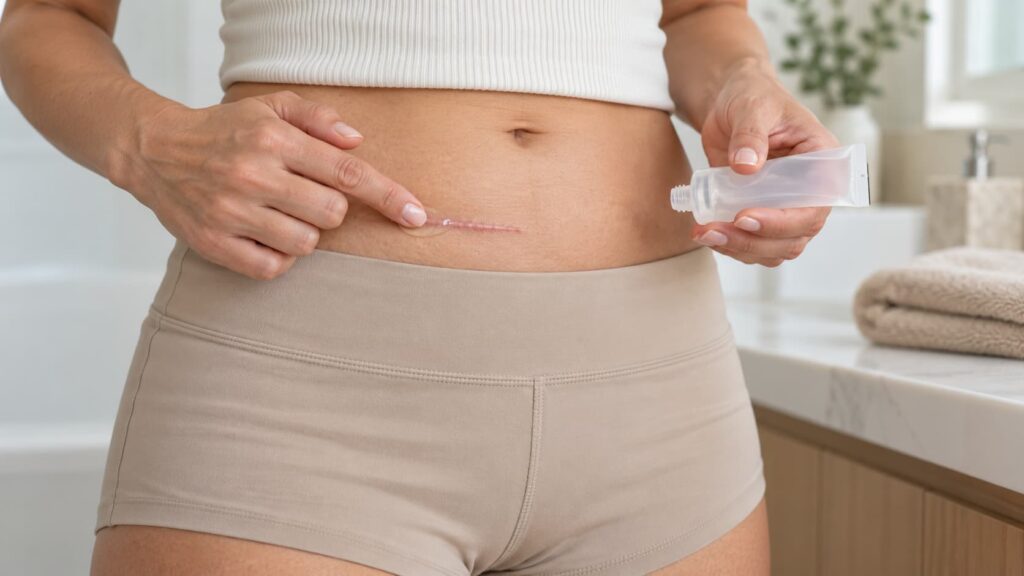
You went through all the preparations, made the most difficult decision of your life, underwent gastric sleeve surgery, and finally reached your dream weight.
But now, months or years later, the scale started to rise again. If you feel that tightness in your chest every time you step on the scale, you should know that this It does NOT mean that you have failed.
In this article, we'll cover everything you need to know about weight regain after gastric sleeve surgery: from the most common causes to effective strategies for preventing it and what to do if it's already happening.
What is considered weight regain after gastric sleeve surgery?
First, it's important to understand that Not all weight gain is cause for alarm.. Your body is a living organism that naturally fluctuates.
Difference Between Normal Fluctuation and Worrying Recovery
Normal fluctuations These include variations of 2 to 5 kilograms that may be related to:
- Fluid retention
- Menstrual cycle (in women)
- Temporary changes in diet
- Muscle mass gain through exercise
However, the worrying weight regain It is defined as:
- Win the 10% or more of the total weight lost
- Progressive and steady increase over several months
- Recover 10 kilograms or more of the initial weight
If you notice that you have gained more than 5 kilos in the last 3-6 months and the trend continues, it is time to take action and seek professional help.
Why Does Weight Regain Occur?
Weight regain after gastric sleeve It's not an unsolved mystery. There are specific reasons. which, once identified, can be effectively addressed.
1. Anatomical Changes Over Time
Your stomach doesn't stay the same size forever. Over months and years:
- The stomach can dilate gradually, especially if you eat increasingly larger portions
- Gastric capacity can increase from an initial 100-150 ml to 250-300 ml or more
- This dilation is a natural process, but It can be accelerated by poor eating habits
Think of your stomach like a balloon: if you constantly fill it to the maximum, it will eventually stretch beyond what you want.
2. Behavioral and Lifestyle Factors
This is, without a doubt, the most common cause Weight recovery. Includes:
Return to old eating habits:
- Eating increasingly larger portions
- Consuming ultra-processed foods, high in sugar and fats
- Constantly snack between meals
- Eating quickly without chewing properly
Abandonment of nutritional support:
- Stop attending follow-up appointments
- Not following the recommended diet plan
- Believing that the surgery "did all the work"«
Sedentary lifestyle:
- Reduce or eliminate physical activity
- Spending long hours sitting without moving
- Not incorporating exercise as a permanent habit
Consumption of caloric liquids:
- Sugary or diet soft drinks (which can stimulate appetite)
- Fruit juices
- Alcohol
- Energy drinks or coffee with lots of sugar
These liquids they do not generate satiety But they provide a lot of calories, sabotaging your efforts without you noticing.
3. Emotional and Psychological Issues
Many people used food as a coping mechanism before surgery. If The emotional component was not addressed, It is very likely that these patterns will return:
- Emotional eating (due to anxiety, sadness, stress, or boredom)
- Lack of ongoing psychological support after surgery
- Untreated depression or anxiety
- Low self-esteem or self-sabotage
- Unresolved food-related traumas
Gastric sleeve surgery reduces the size of your stomach, but it doesn't change your relationship with food. That internal work is fundamental to long-term success.
4. Hormonal and Metabolic Factors
Your body is more complex than it seems:
- Ghrelin (hunger hormone) may increase again after 1-2 years from surgery
- The metabolism adapts and can become more efficient, requiring fewer calories.
- Some people develop persistent insulin resistance
- Undiagnosed thyroid problems can make weight loss difficult
These biological factors are real, but They are not a final judgment. They can be managed with appropriate medical supervision.
Warning Signs
Prevention is easier than correction. Pay attention to these early signs:
- Progressive increase in appetite and constant thoughts about food
- Ability to eat noticeably larger portions than months ago
- Return of episodes of compulsive eating or uncontrolled
- Unexplained weight gain of 2-3 kilos in just a few weeks
- Loss of that "click" of satiety you used to feel quickly
- Abandonment of follow-up appointments medical and nutritional
- Avoid weighing yourself or hiding the problem from family members
- Go back to wearing looser clothes to disguise yourself
If you identify three or more of these signs, It is time to act before the problem worsens.
How to Prevent Weight Regain After Gastric Sleeve Surgery
The good news is that Weight regain can be prevented with commitment and the right strategies.
Commitment to Multidisciplinary Support
You can't do it alone. Professional follow-up is essential:
- Nutritionist: Consultations every 1-3 months during the first year, then every 3-6 months
- Psychologist or psychiatrist: Essential for working on the relationship with food and emotions
- Bariatric surgeon: Periodic assessments to monitor your progress
- Endocrinologist: If there are hormonal or metabolic problems
Think of your medical team as your personal trainers in this marathon of healthy living. Don't abandon the monitoring even when you feel good.
Essential Nutritional Strategies
These rules are not temporary, They are your new lifestyle:
1. Protein first, always:
- Consume 60-80 grams of protein daily
- Eat your protein before any other food on your plate.
- Options: lean meats, fish, eggs, low-fat dairy, legumes
2. Control refined carbohydrates:
- Limit white bread, pasta, white rice, sweets and pastries
- Choose whole grains and in controlled portions
- Read the labels: sugar is hidden in many products
3. Adequate hydration (away from meals):
- Baby 1.5 to 2 liters of water per day
- Do not drink liquids 30 minutes before or after eating
- Completely avoid sugary drinks
4. Eat slowly and chew well:
- Each meal should last at least 20-30 minutes
- Chew each bite 20-30 times
- Put your fork down between bites
5. Lifelong vitamin supplementation:
- Daily multivitamin
- Vitamin B12
- Calcium and vitamin D
- Iron (as prescribed by a doctor)
Physical Activity
Exercise is not optional, it is mandatory to maintain your weight in the long term.
- It begins with 150 minutes of moderate activity per week (30 minutes, 5 days)
- Includes strength training 2-3 times per week to maintain muscle mass
- Find something you enjoy: dancing, swimming, walking, yoga, cycling
- Consistency is more important than intensity
Exercise not only burns calories, it also:
- Boost your metabolism
- Improve your mood (reduce anxiety and depression)
- It gives you energy and better sleep quality
- Strengthen your commitment to your health
Mental Health Care
Your mind is just as important as your body:
- Continue with psychological therapy, even after reaching your ideal weight
- Join support groups with other bariatric patients
- Learn stress management techniques: meditation, breathing, mindfulness
- Identify your emotional triggers that lead you to eat
- Develop alternative strategies for managing difficult emotions
Remember: Eating can't be your only way of dealing with emotions.
What to do if the weight has already returned?
If you are already experiencing weight regain, not all is lost. Acting now can prevent the situation from getting worse.
Don't Blame Yourself — Seek Professional Help
First and foremost: This is not a character flaw. You are not weak, nor have you failed. Weight regain is a complex medical challenge that requires professional attention.
Feeling ashamed only delays the solution. The sooner you seek help, the easier it will be to regain control.
Treatment Options
Your medical team may recommend:
1. Restart of the post-bariatric protocol:
- Resume the strict diet plan from the first few weeks
- Weekly or bi-weekly nutritional consultations
- Close monitoring of your progress
2. Evaluation for possible gastric dilatation:
- Imaging studies (endoscopy, contrast X-ray)
- Assessment of your current stomach anatomy
3. Adjuvant medications:
- In some cases, it may be indicated appetite control medications
- Always under strict medical supervision
4. Surgical revision or conversion:
- If there is significant dilation of the stomach
- Conversion to gastric bypass in selected cases
- This option is considered only after exhausting all other alternatives.
5. Intensive psychological therapy:
- In-depth approach to eating patterns
- Cognitive-behavioral therapy specializing in eating disorders
You Can Take Back Control
Thousands of people have managed to stabilize their weight and reverse the recovery after gastric sleeve surgery. You can do it too.
Surgery gave you a powerful tool, but It's not magic. It's like having a complete gym at home: the gym doesn't get you in shape, but it gives you the resources to do so. The daily work is up to you.
Some important points to remember:
- Perfection does not exist. You'll have difficult days, and that's okay.
- Progress is not linear. There will be ups and downs on your journey.
- Asking for help is a sign of strength., not weakness.
- Every day is a new opportunity to make better decisions.
- Your value as a person It is not determined by a number on the scale.
Self-compassion is essential. Treat your body with the same love and respect you would show a loved one going through a similar challenge.
📞 Ready to Take Back Control of Your Weight?
In New Body Bariatric Center We understand your situation And we know exactly how to help you. You are not alone on this journey.