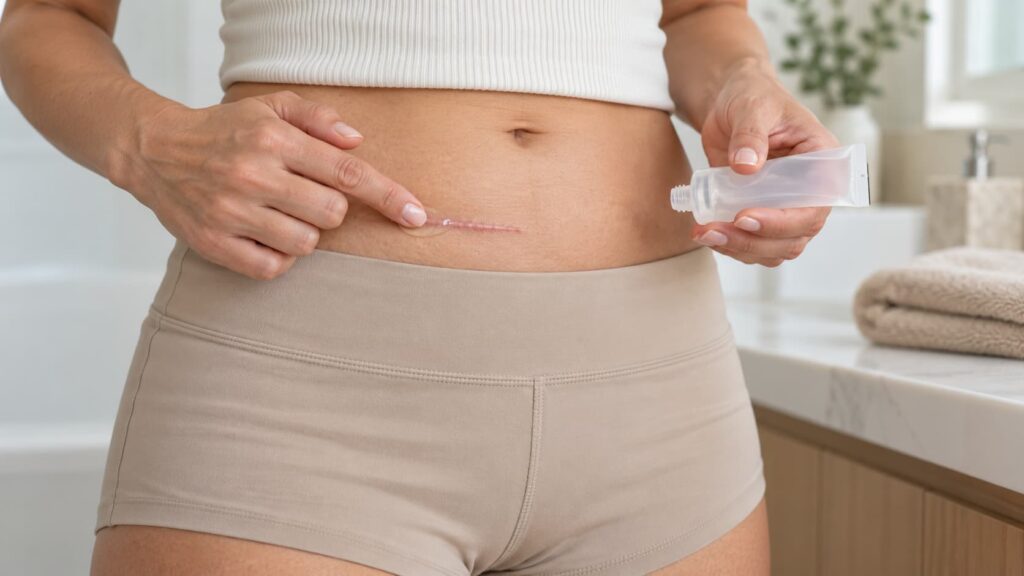

When a person begins to research bariatric surgery, one of the first questions is usually very direct: How much weight can you lose with a gastric sleeve?
The curiosity is understandable. Many people want to have a concrete idea of the results before making a decision.
However, weight loss after gastric sleeve surgery It does not happen in the same way for all patients. The rate may vary depending on metabolism, starting weight, diet, and medical monitoring.
Even so, there are fairly well-known patterns that allow us to understand how weight loss usually evolves month by month after this procedure.
Below, you will find a realistic explanation of how much weight is lost with a gastric sleeve and what usually happens during the first year after surgery.
How does weight loss work after gastric sleeve surgery?
The gastric sleeve, Gastric sleeve surgery, also called gastric sleeve surgery, is a procedure that It reduces the size of the stomach by approximately 701 to 801..
Several changes occur in the body after surgery:
- the stomach has a smaller capacity
- The patient feels full with smaller portions
- It decreases the production of the hunger hormone (ghrelin).
- It facilitates the adoption of new eating habits
As a result, the body begins to use its energy reserves, leading to progressive weight loss during the first few months.
This process occurs gradually, with phases in which the loss is faster and others where the rate becomes more stable.
Month-by-month weight loss: what usually happens
To understand how much weight is lost with a gastric sleeve, it is helpful to look at the average evolution during the first year.
Although each case is different, many patients follow a similar pattern.
First month: the fastest fall
During the first month after surgery, weight loss is usually more rapid.
This happens because the body adapts to:
- a liquid or semi-liquid diet
- reduced calorie intake
- metabolic changes following surgery
During this period, many patients may lose between 8% and 12% of their initial body weight.
It is also common to notice visible changes in the waist and abdomen.
From 2 to 3 months: body adaptation
Between the second and third month, the body begins to adapt to the new diet.
At this stage:
- Solid foods are introduced gradually.
- metabolism stabilizes
- The patient learns new eating routines
Weight loss continues to be significant. In many cases, patients can lose between 5 and 10 extra kilos during this period.
This phase often marks a great motivation for those who begin to notice more evident changes in their body.
From 4 to 6 months: constant loss
Between the fourth and sixth month, weight loss continues to occur, although the rate may be slightly slower.
At this time:
- The patient now has greater control over portion sizes.
- Physical activities are being incorporated more frequently
- the body continues to reduce excess fat
On average, many patients may have lost between the 40% and the 60% of its excess weight during the first six months.
From 6 to 12 months: stabilization
After the sixth month, the rate of weight loss usually slows down.
This is a natural part of the process. The body adapts to its new metabolic balance.
During this stage:
- weight continues to decrease
- the loss is more gradual
- Some patients may experience short periods of stagnation.
These periods do not mean that the surgery has stopped working. They are part of the body's adaptation process.
By the end of the first year, many patients have achieved a large part of their weight loss goal.
How much total weight is lost with a gastric sleeve?
When analyzing how much weight is lost with a gastric sleeve, Specialists usually speak in terms of excess weight rather than total weight.
On average, patients may lose between 60% and 80% of excess weight during the first 12 to 18 months after surgery.
For example:
- A person who is 40 kilos overweight could lose between 24 and 32 kilos.
- Someone who is 50 kilos overweight could lose between 30 and 40 kilos.
These numbers represent averages observed in studies and in clinical practice.
Factors that influence weight loss
Each patient's progress may vary. Several factors directly influence the results.
Among the most common are:
- he initial body mass index (BMI)
- the patient's age
- eating habits after surgery
- the level of physical activity
- follow-up with nutritionists and doctors
People who have regular checkups and follow the recommendations of the medical team tend to get more consistent results.
Why do some people lose more weight than others?
It is normal for two patients undergoing the same procedure to have different results.
The human bodyIt responds differently depending on metabolism and lifestyle.
Some factors that may influence this include:
- metabolic rate
- adherence to the nutrition plan
- the level of physical activity
- hormonal or medical conditions
For this reason, specialists usually avoid promising an exact number of kilos. Each organism has its own pace of adaptation.
How to maintain weight loss after gastric sleeve surgery
Surgery is a powerful tool, but Subsequent habits play an important role in the long-term results.
Among the most common recommendations are:
- maintain a balanced diet
- prioritize proteins and nutritious foods
- engage in regular physical activity
- attend regular medical check-ups
- Follow the bariatric team's instructions
These habits help consolidate the results and maintain the achieved weight.
Ready to start your journey?
Gastric sleeve surgery isn't magic — but when done right and with the right support, the results are transformative.
If you've made it this far, you probably already have more information than most people who sit in our office for the first time. And that's a very good starting point.
In New Body Surgery Miami We are available to answer your questions, explain the entire process, and help you understand if bariatric surgery is the right option for you — no pressure and no generic answers.
Schedule your consultation today and take the first step with a team that walks with you.
New Body Surgery Miami
Ready to take the next step?
Schedule your consultation and find out if you're a candidate. No obligation — just an honest conversation about your situation.
Contact us todayFrequently asked questions about how much weight is lost with gastric sleeve surgery
Weight loss during the first month after gastric sleeve surgery is usually among the fastest. Many patients can lose between 8% and 12% of their initial body weight, However, the exact result depends on the person's pre-operative weight, post-operative diet, and metabolism.
In the first three months after surgery, many patients may lose between 20% and 30% of their excess weight. During this stage the body adapts to the new stomach size and to eating smaller portions.
On average, patients may lose between 40% and 60% of excess weight in the first six months. Weight loss remains constant during this period, especially when the patient maintains healthy habits and medical follow-up.
No. Although there are averages, weight loss can vary depending on factors such as initial weight, age, metabolism, level of physical activity, and eating habits after surgery.
During the first year after surgery, many patients may lose between 60% and 80% of excess weight. This result is usually achieved gradually over the first 12 to 18 months.